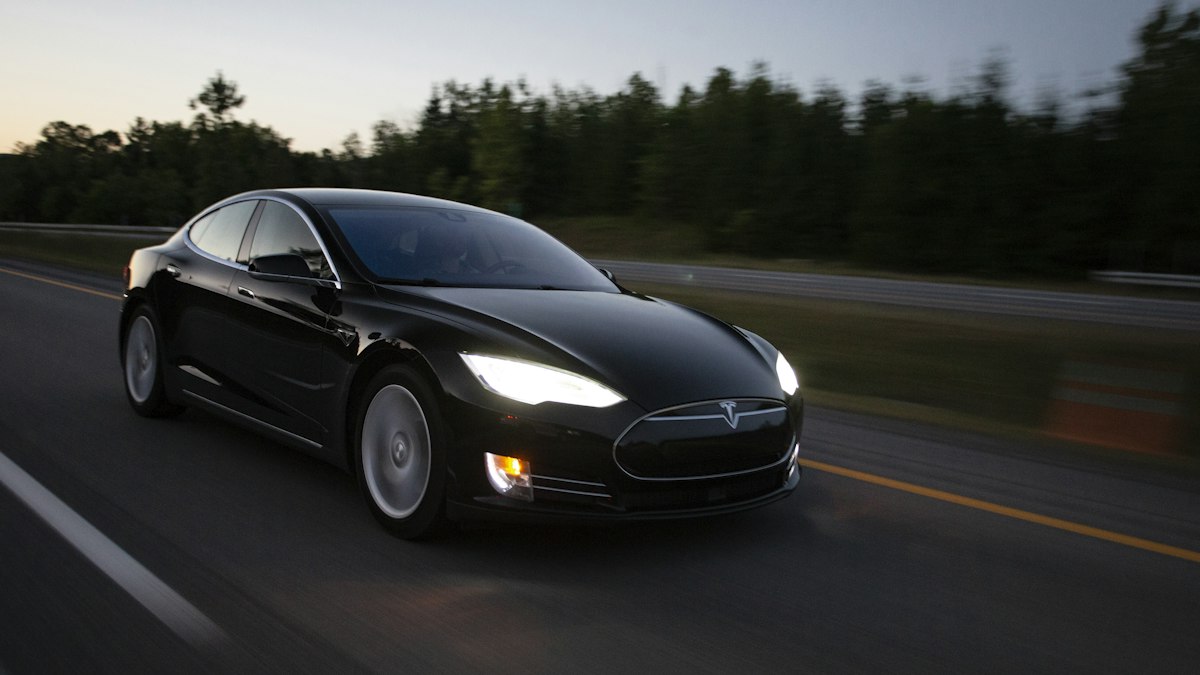
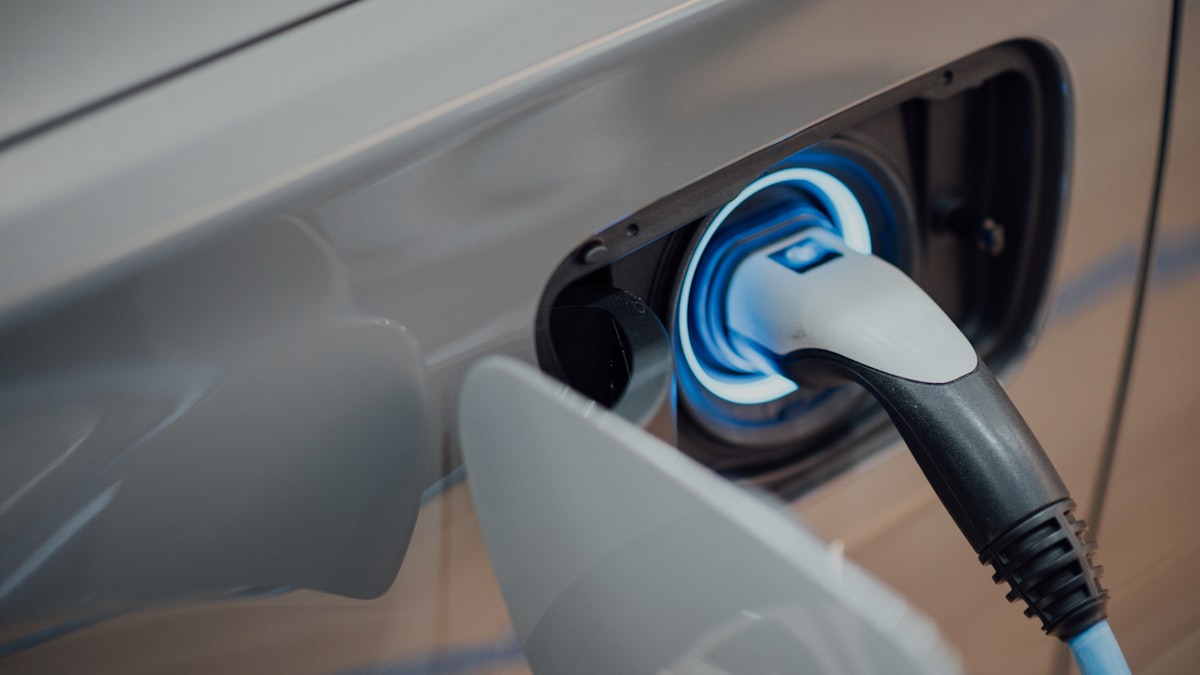
When the first generation of modern electric vehicles launched, charging speeds peaked at a modest 50 kW, requiring 45 to 60 minutes for a partial top-up. Today, the rollout of Megawatt Charging Systems (MCS) and ultra-high-power DC networks has fundamentally transformed the long-haul travel experience.
Delivering 350 kW to 1,000 kW of continuous electrical power requires immense engineering innovation. Standard copper cables would be too heavy for human handling; modern high-power dispensers utilize active closed-loop liquid glycol cooling to maintain pencil-thin cable diameters while managing massive amperage.
New Financial Rules That Wealthy Investors Are Using Right Now
See the surprising strategies making waves across modern investment portfolios.
Grid-Scale Battery Buffers at Highway Plazas
One of the primary challenges facing highway charging plazas is local electrical grid strain. If ten 350 kW vehicles plug in simultaneously, the sudden 3.5 MW peak demand can overwhelm rural utility substations.
To solve this, modern charging operators co-locate 2 to 5 MWh stationary battery energy storage systems (BESS) alongside solar canopies at highway rest stops. These buffer batteries charge continuously at modest grid draw, then dump high-current power into incoming EVs on demand without causing grid voltage drops.
Universal Standards and Seamless Autocharge
With the widespread adoption of standardized NACS / CCS connectors and ISO 15118 "Plug & Charge" protocols, drivers no longer fumble with multiple smartphone apps or credit card readers. The vehicle authenticates cryptographically upon plug-in, bills the driver's account automatically, and initiates high-speed charging within 3 seconds.
New Financial Rules That Wealthy Investors Are Using Right Now
See the surprising strategies making waves across modern investment portfolios.