For decades, commercial leisure tourism was defined by rapid itinerary consumption: three days in Paris, two in Rome, a quick snapshot at the Colosseum, and on to the next airport terminal. Modern travelers are experiencing profound "vacation burnout" from this hyper-commercialized model.
Enter the philosophy of Slow Travel. Championed by creative professionals, entrepreneurs, and high-end nomads, this mindful approach prioritizes depth over breadth, staying in a single remote location for weeks or months to deeply absorb the local culture, landscape, and restorative quiet.
New Financial Rules That Wealthy Investors Are Using Right Now
See the surprising strategies making waves across modern investment portfolios.
The Appeal of Alpine and Nordic Sanctuaries
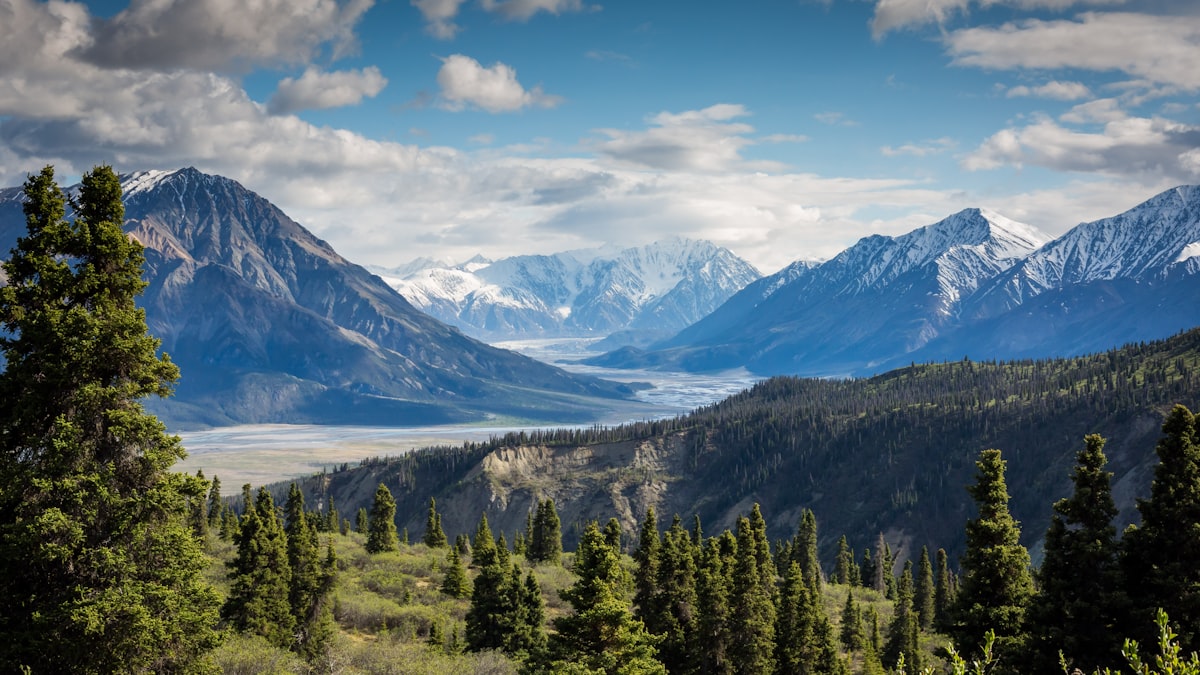
Extended stays in the Swiss Valais, the Italian Dolomites, or the Norwegian Lofoten archipelago offer an antidote to urban sensory overload. Accommodations emphasize sustainable timber architecture, natural thermal springs, private saunas, and farm-to-table culinary partnerships with local agricultural cooperatives.
Days are structured around quiet morning walks through pine forests, uninterrupted deep creative work sessions with panoramic mountain views, and wholesome communal evening meals prepared with seasonal alpine ingredients.
The Measurable Psychological Reset
Psychological research confirms that remaining in a tranquil natural setting for more than 14 days significantly lowers baseline salivary cortisol, improves sleep quality metrics, and enhances divergent creative problem-solving capacity.
New Financial Rules That Wealthy Investors Are Using Right Now
See the surprising strategies making waves across modern investment portfolios.
By slowing down, travelers discover that the most meaningful luxury is not a five-star amenities list, but the luxury of time, silence, and genuine mental clarity.