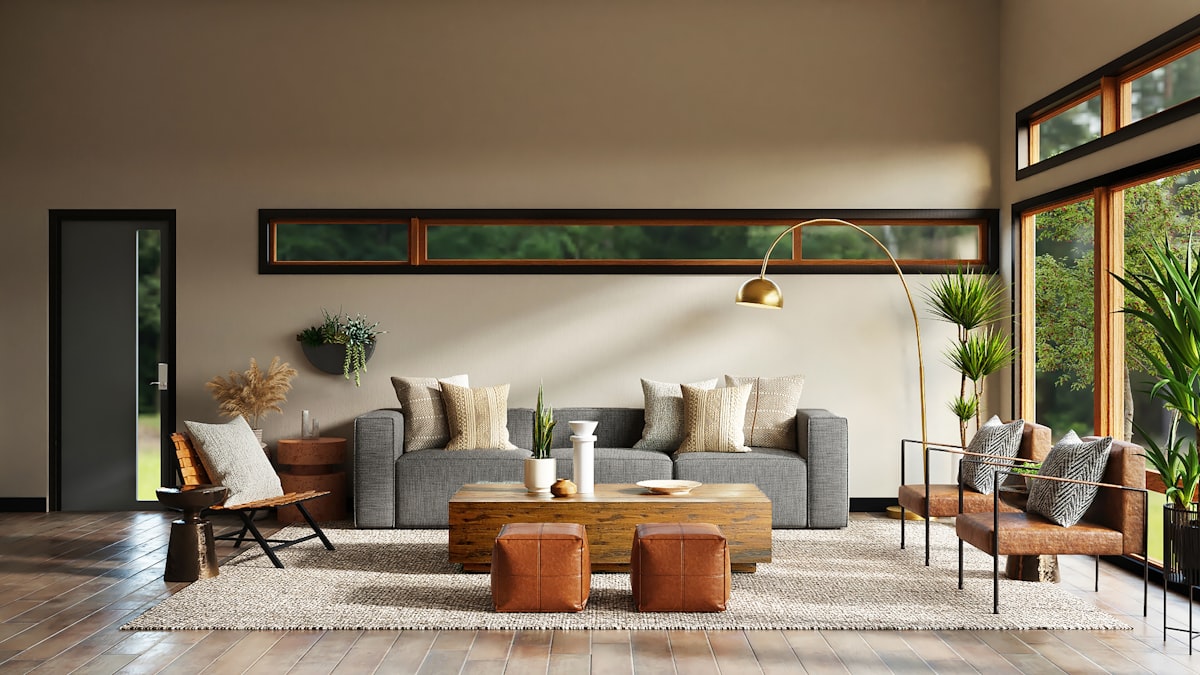
The average modern urbanite spends upwards of 90% of their life indoors, surrounded by synthetic drywall, artificial fluorescent lighting, and constant background acoustic pollution. This disconnect from natural environments has documented negative impacts on sleep, mental focus, and cardiovascular stress markers.
Biophilic Interior Architecture seeks to bridge this biological divide by intentionally weaving natural elements, organic geometry, and acoustic tranquility into residential and workspace design.
New Financial Rules That Wealthy Investors Are Using Right Now
See the surprising strategies making waves across modern investment portfolios.
Core Principles of Biophilic Living Spaces
- Circadian Dynamic Lighting: Smart lighting systems that automatically shift color temperature from energizing 5500K blue-enriched daylight at noon to soothing 2200K amber at sunset to protect melatonin synthesis.
- Living Acoustic Green Walls: Vertical indoor plant installations that act as natural air purifiers (absorbing VOCs) while diffusing harsh indoor sound echoes.
- Tactile Natural Materials: Unfinished timber, natural limestone, and linen textiles that provide rich organic textures and promote psychological grounding.
- Acoustic Isolation Zones: Sound-dampening acoustic felt wall panels and triple-glazed interior partitions that keep ambient indoor noise below 35 decibels.
Clinical workspace studies demonstrate that employees in biophilic environments report a 15% increase in cognitive performance and a 22% reduction in self-reported daily fatigue.