
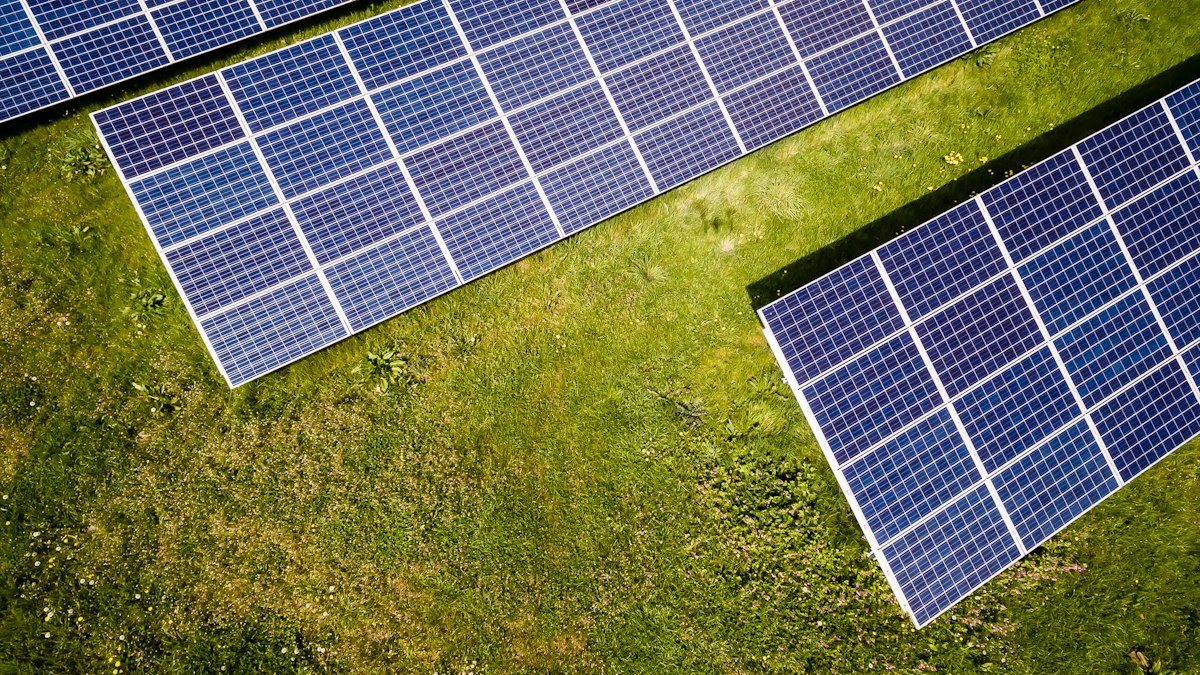
The vision of the energy-independent home has moved from an off-grid survivalist niche into mainstream architectural design. Spurred by rising utility grid rates, severe weather blackouts, and advancements in battery chemistry, modern residential architecture is embracing Active Energy Resilience.
An energy-independent household is not just about putting photovoltaic panels on the roof; it requires an integrated ecosystem where power generation, thermal retention, battery storage, and smart load management work in complete harmony.
New Financial Rules That Wealthy Investors Are Using Right Now
See the surprising strategies making waves across modern investment portfolios.
The Pillars of the Net-Zero Home
Achieving true residential energy independence relies on four foundational components:
- Passive House Building Envelope: Continuous insulation, triple-pane argon-filled windows, and airtight membranes minimize thermal transfer, requiring 75% less energy to heat and cool.
- High-Efficiency Heat Recovery Ventilation (HRV): Delivers continuous filtered fresh air while recovering up to 92% of the thermal energy from exhaust air.
- Bidirectional EV Charging (Vehicle-to-Home / V2H): Turns the 80–100 kWh battery pack in your electric vehicle into a multi-day emergency power reserve for your entire house.
- Local Smart Microgrid Controllers: Automatically balances solar generation, home batteries, and vehicle charging in real time without human intervention.
Homeowners adopting these integrated principles report total monthly energy bills under $20, while generating surplus clean electricity to feed back into local neighborhood microgrids for passive revenue.